Inked Loyalty: The Kids Wearing the Logo Forever
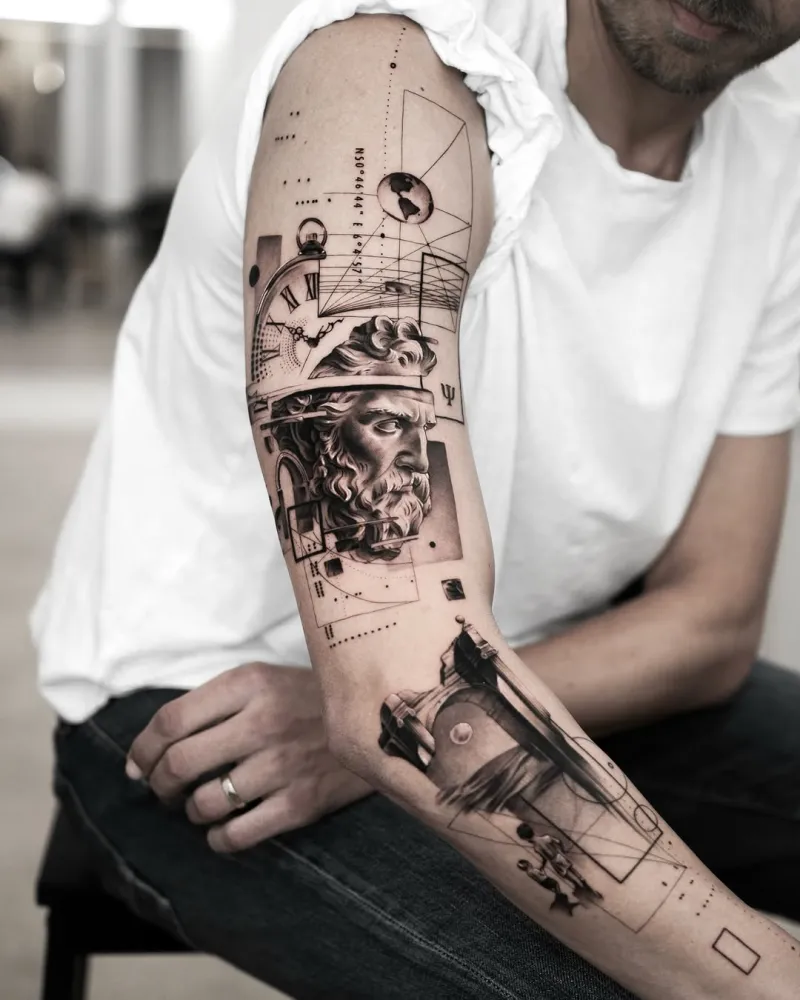
Photo: forearm tattoo streetwear logo black and white portrait, via sacredjoanne.com
There's a photo that does the rounds every so often on UK streetwear Discords: a forearm, freshly wrapped in cling film, the logo of a Manchester label that released maybe four tees total. Permanent. Needle-deep. The comments split down the middle — 'mental' from one camp, 'fair play, that's the point' from the other.
Both are right. And both are missing something.
The Old Rules of Skin
For most of the twentieth century, tattooing a brand on yourself was something you did for an employer, not a feeling. Sailors had ship names. Soldiers had regiments. The skin was a CV — proof you belonged to something with structure, hierarchy, a payslip attached.
What's happened in the last decade flips that entirely. Nobody's paying you to wear the brand. You're paying them. You queue on a website at 7pm on a Thursday, you get bootied out of the checkout, and if you're lucky you're £80 poorer with a hoodie coming. And then — sometimes — you book a tattoo appointment.
The question isn't why. It's why this feels more honest than it should.
We Asked the People Holding the Machine
'First one I ever did was a lad from Barnsley, maybe 2019,' says a tattooist working out of a private studio in Sheffield, who asked not to be named because 'half my clients' mums follow my page.' 'Small logo, inside of the wrist. He told me the label was the first place that made him feel like he wasn't weird for dressing how he dressed. I've done three more since. Same label. Different lads. Same story, basically.'
That word — first place — comes up again and again. Not 'favourite brand.' Not 'best quality.' First place that felt like it was built for them.
Down in Portsmouth, a collector who goes by a handle rather than a name has eleven brand tattoos, including one from a label that folded in 2021. 'People think that's the mad part — the dead brand,' he says. 'It's not. The brand dying is the point. It's a scar from a time that happened. You can't buy that hoodie now. You can't buy the tattoo either. It's the only part of the fit nobody can drop a dupe of.'
Tribe, Not Advertising
The instinctive critique is that it's corporate brainwashing with a needle — that these kids are walking billboards who've skipped the invoice. And sure, there's a version of that. But billboards don't have in-jokes. Billboards don't get you recognized at a gig in Leeds by a stranger who nods at your forearm and says 'drop two, yeah?'
What these tattoos actually function as is a handshake. A shibboleth. In a country where youth culture gets flattened by algorithms into the same three aesthetics, a permanent mark from a tiny label says: I was early, I was there, I did the queue.
Compare it to the name on your birth certificate. Most of us didn't choose it. It's identity handed down, not built. A brand tattoo — done right, done deliberately — is the opposite: identity you elected. Chosen, queued for, paid for, sat through the pain for. That's more authorship than most people exercise over their own names in a lifetime.
The Rebellion Paradox
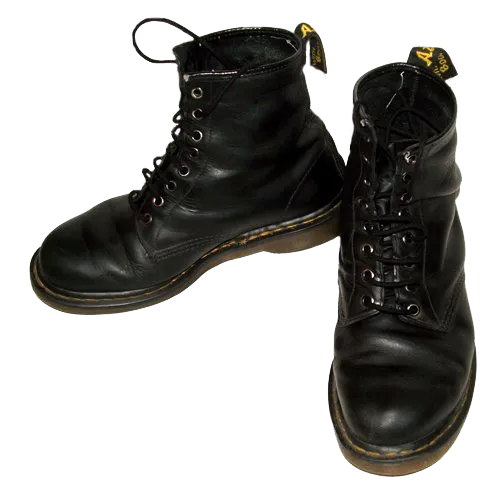
Here's the wrinkle, and it's one we'll own up to: STIGMA exists because we know some of you would wear the word on your skin. We've seen the DMs. We're not going to pretend that doesn't move us.
But the rebellious act isn't the tattoo itself. Tattoos are as mainstream as a flat white now — your dentist has sleeves. The rebellious act is choosing something small. Something the mainstream doesn't recognise, can't co-opt, and can't sell back to you at a markup in a shopping centre. Inking a mega-brand is just loyalty card points for people with bad taste. Inking a five-person label out of a unit in Bradford is a bet on a scene.
One of the Sheffield tattooist's clients put it best: 'My nan asked why I didn't get something meaningful. Family name, dates, that. I said — this is meaningful. You just don't have the login.'
Skin Is the Final Drop
Brands come and go. Drops sell out in seconds and end up on Vinted by spring. The hoodie fades, the print cracks, the fit gets retired to a drawer. The tattoo is the only garment you can't take off, resell, or size up.
Maybe that's the real answer to the question. In 2020s Britain, where everything is temporary — tenures, tenancies, trends with the shelf life of milk — permanence itself has become the flex. A brand tattoo says: this mattered, and I'm not apologising for it, even if the label dies, even if I grow out of it, even if you think it's mental.
Wear the label. Some of you literally already do. We're not going to be the ones to tell you to stop.