Wrong Colours, Right Energy: The Rival Kit Has Left the Terraces
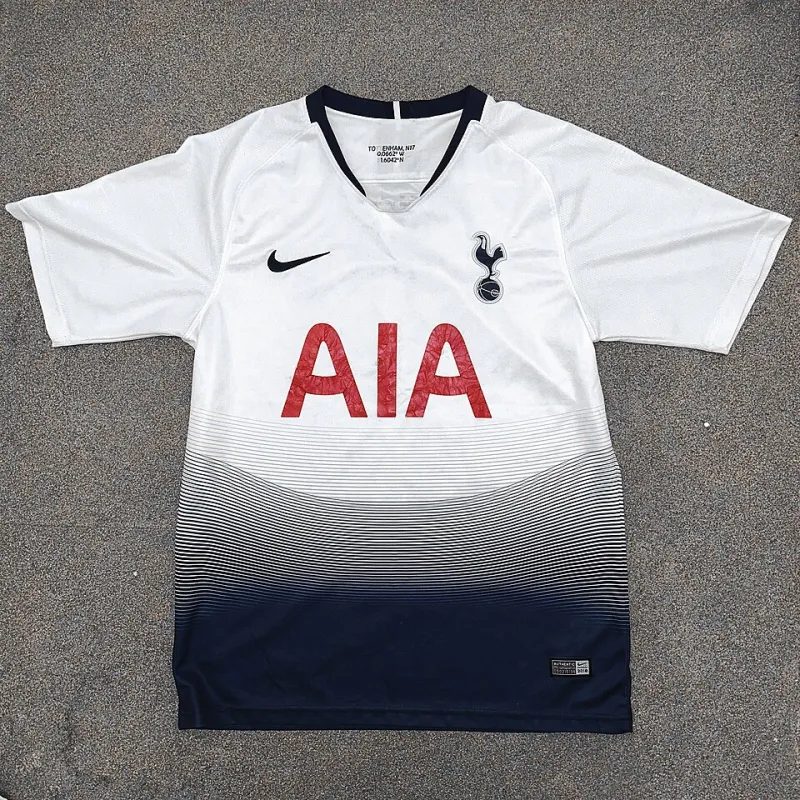
Photo: Explicit, CC BY-SA 4.0, via Wikimedia Commons
There is a specific kind of silence that falls over a house party when someone walks in wearing the wrong football shirt. Not a replica of the team everyone in the room supports — the other one. The historic rival. The colours that are supposed to be forbidden in this postcode, at this hour, on this particular sofa. And then the wearer grins, because they know exactly what they have done.
That grin is the whole point. The wrong football shirt is no longer just a dressing-up box mistake or a laundry-day accident. In 2026 it has become one of the most honest pieces in British streetwear: a garment with a built-in argument, a design object with a history of violence and belonging, and a very public way of saying you understand the rules well enough to bend them.
The Shirt Was Never Just a Shirt
Football kits stopped being sportswear the moment they left the pitch. In the UK they have been worn to school, to raves, to court, to funerals, to first dates and to the back of the bus for decades. The casuals made them status symbols. The vintage resale market made them collectible. The charity shop made them accessible. And the internet made every obscure 1990s away kit a grail.
But the replica shirt has always carried a membership card in its stitching. Wearing your own team’s colours is a statement of loyalty. Wearing a rival’s is a statement of something else entirely: confidence, humour, curiosity, or a willingness to be misread. It is not neutral. That is exactly why it works.
The old taboo was simple. You did not wear the wrong shirt because football tribalism demanded total allegiance. In some places, in some years, that taboo was enforced with fists. We do not need to romanticise that. But the flip side is this: when the danger fades and the gesture remains, it becomes available for style. The wrong shirt is a former warning sign that has been repurposed into a wink.
A Taboo With a Price Tag
Most of the best wrong shirts cost less than a round. They are the ones found at car boot sales in Wakefield, in the back of a charity shop in Cardiff, on a rail in Glasgow where the volunteers have no idea why a 1996 goalkeeper top is getting so much attention. They are oversized, slightly faded, maybe carrying a sponsor logo for a defunct airline or a local bakery. They are beautiful because they are specific.
That is the quiet rebellion of the rival kit. You are not wearing it to support the team. You are wearing it because the design is hard, the history is messy, and the fit is better than whatever the high street is pushing this month. You are treating a football shirt as a garment first and a badge second. For anyone who has ever been told they are wearing the wrong thing, that is a familiar pleasure.
STIGMA was built on that feeling. The label exists for people who have been told their taste is too loud, too scruffy, too much. The wrong football shirt is the same energy in fabric form: a piece that refuses to sit neatly in one category. It is sportswear, streetwear, nostalgia, provocation and a small act of trespass, all at once.
The Knowing Nod
There is an etiquette to this. Wearing a rival shirt to the actual match is not brave; it is just asking for a bad afternoon. Wearing it to a club night, a gig, a cafe, a bus, a skate park or a friend’s flat is different. The context is the whole move. The knowing nod is what separates the style flex from the wind-up.
It says: I know what this means. I know whose colours these are. I am not lost. I am not taking the piss out of you specifically. I am wearing a piece of clothing that carries a story, and I am comfortable enough to carry it somewhere it was not designed to go.
That can be a small crack in the hard edges of football culture, too. The game has spent too long being policed by people who think loyalty means uniformity. Wearing the wrong shirt does not solve that. But it does make room for a different kind of fan: one who can love the texture of football culture without signing up to its most boring rules. It is a softer sort of defiance, and sometimes that is the one that lasts.
When It Goes Wrong
The wrong shirt is not a licence to be careless. If you wear it to a derby, you are not making a fashion statement; you are making a scene. If you wear it to a family do where someone’s grandad has supported the same club for sixty years, read the room. The gesture only works when it is deliberate. Accidental ignorance is not a flex. It is just bad hosting.
And there is a difference between a vintage shirt with a story and a fresh replica bought purely for the controversy. The former has wear in the collar and a history in the fabric. The latter has a price tag and a personality vacuum. STIGMA will always take the scuffed version.
The Away End Fit
The best version of this look is not complicated. A wrong shirt, oversized and a bit faded. Trackies or wide jeans. Boots that have seen weather. A hoodie underneath if the sky is doing its usual thing. No explanation. If someone asks, you can tell them the truth: you liked the colours, you liked the cut, and you are not here to audition for the home end.
In 2026, the football shirt has become one of the most flexible pieces in British streetwear. The wrong one is the sharpest version of that flexibility. It is a garment that admits loyalty is complicated, taste is not tribal, and style does not have to come with a membership card.
Wear the label. Defy the norm. And if the colours are wrong, make sure you know exactly why you chose them.